

And this remote interview is somehow feeling a little easier than walking into the office. You are in a room you’re used to; Your notes might even be close by; there is no travel to dread. However, the laid-back atmosphere of the pubs can be misleading. Conducting a remote interview, hiring managers observe elements that might never be of concern in an in-person or traditional interview.

What you use as a camera, how you communicate, if you have internet backup or not, whether you can work independently/on your own, and even how to say what to do in a day give the interviewer a sense of what it will be like working remotely.
But if you are talking about remote interview tips, the point is not to make it right. So you can speak clearly, solve problems, be organized, and work independently without someone sitting next to you.
What do hiring managers really notice—and what do they totally miss—during remote interviews? Here are 12 ideas.
Camera and Audio Quality
While a solid remote interview does not always require expensive equipment. The most important thing is how clearly your interviewer can see you and hear you. Check your microphone, camera, and headphones before the interview. Check that your face is visible and your voice is authoritatively resonant.
One common error is to check the setup only minutes before the interview. Sometimes, an insignificant technical issue can even make you feel hurried before the conversation starts.
- Check your microphone and camera before it is time
- Maintain comfort by keeping your camera at eye level.
- If the audio is better through headphones, do it.
- Make sure your voice is understandable.
Good audio is especially critical: communication becomes difficult if the interviewer is asking that you repeat yourself constantly.
Your Internet Backup Plan
This satisfaction comes from the fact that remote employers are aware that there can be technical issues. They want to see how you react in the event of a contingency. In case of an unstable internet connection, having a backup option saves you from a small trouble turning into a big one. For example, this might mean keeping mobile data enabled or knowing how to connect back quickly. You are fed as of October 2023. Even showing that you have thought about potential issues is preparation.
Your Interview Environment
Your environment may silently affect the impression you leave. You do not need a fancy office or an expensive backdrop. Typically, all that is required is a clean space that offers some relative peace and quiet. Then, eliminate distractions and mute notifications prior to the call.
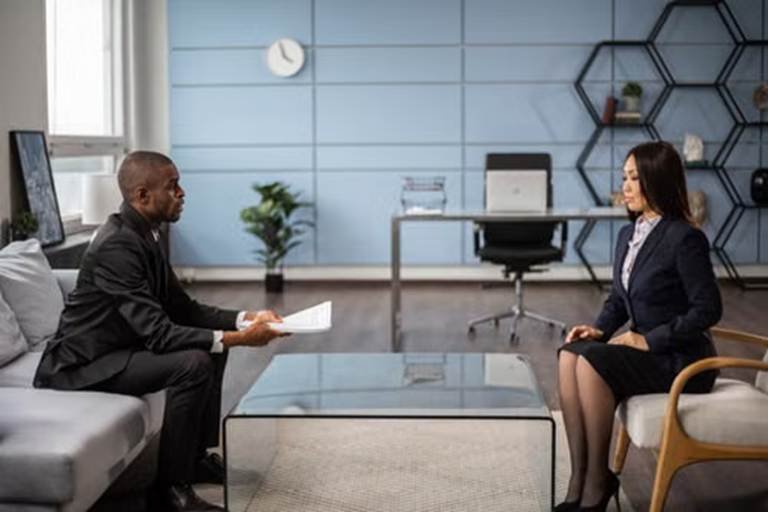
Hiring managers can also notice if you seem ready for the conversation. When you constantly turn away when talking, entertain background noises, or search for something during the interview, you look less organized.
- Choose a quiet location.
- Prevent other distracting objects/factors.
- Turn off unnecessary notifications.
- Your goal is to always have water and everything that you need in close proximity.
The idea is simple: make the environment an enabler for conversation, not part of the problem.
How Clearly You Communicate
Communication is the lifeblood of remote work. It’s possible that you can’t stroll over to a coworker’s cubicle and give an elevator pitch. That is the reason why interviewers look for how clearly you get your idea across. Your answer does not need to be with a complex language—it can just be simple and strong. Understandability and relevance are required. Oh, what from practice? Clear as day, better than sound impressive.
If You Are to Be Able to Answer in Short Answers
One of the most important remote interview tips is to answer the question that was asked. Candidates get nervous and either go on to rattle off a sudden detail bonanza or give it the craziest whack-a-mole they can think of, burying their main point. The best strategy is to provide the answer first and only after introducing an example when needed.
So when you are asked how you manage your deadlines—instead of spending minutes detailing your technique, let the interviewers know and elaborate on it by telling a story where you applied it.
- Start with the main point.
- Give a relevant example.
- Avoid unnecessary background information.
- Stop way in the data set where you think the response has been answered.
- That way, it facilitates the conversation on both sides.
How You Handle Screen Sharing
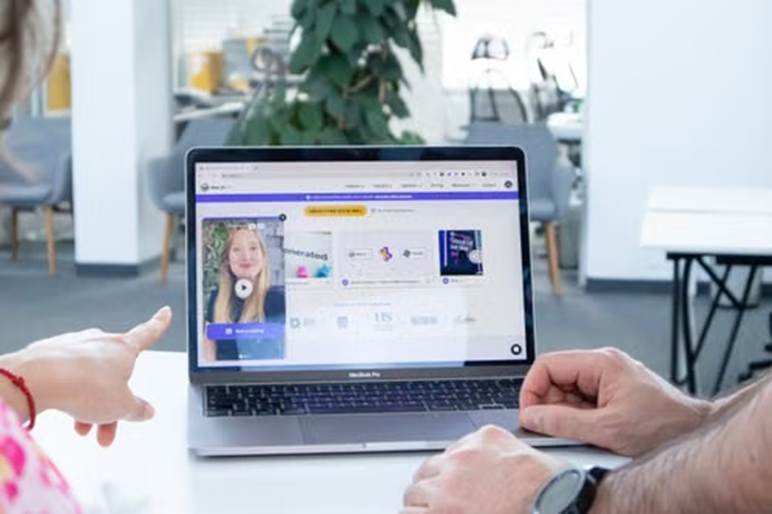
Many remote interviews include screen sharing, particularly for technical, creative, analytical, or administrative roles. The interviewer may care about more than the end product. They might comment on how you talk your way through doing the work.
More importantly, before you attend the interview, ensure you know how to share a specific window or screen. First of all, close the private tabs and unnecessary other apps. And finally, if you get asked to show something, don’t just click through everything—explain your thought process as you work.
Whether You Can Work Independently
Workers who toil away remotely, by contrast, have more autonomy—if not always a sense of agency—than the office-bound folk. So hiring managers want to see proof that you can start moving things forward without someone having to check up on you all the time. Share examples of when you owned a task, filled the gap in problem-solving, or took initiative to advance a project yourself as you answer this.
It does not mean pretending that you never need help. Great remote laborers also understand whether they need to ask a query or solve something on their own.
How You Handle Asynchronous Work
Not all remote teams work within the same hours. You have to process messages, documents, tasks, and even updates asynchronously, maybe? An interviewer might be interested to see if you can present information clearly enough that a human being could unpack it from your words at another time.
Getting back to your example, how is a project update something you are writing? An effective under-the-hood update could be: what has been done, what is being worked on, and is anything blocking?
- State what was completed.
- Explain the current status.
- Mention important blockers.
- Identify the next step.
- It eliminates needless to-and-fro.
How You Prioritize Your Work
In any case, sometimes remote work can be a myriad of duties hitting simultaneously. Hiring managers might ask you, “How do you decide what’s most important at any point?” Do NOT say “I just work harder” or “I do everything right away.” Instead, describe how you assess timelines, significance, dependencies, and business impact. A concrete answer suggests that you have a method system as opposed to just using pressure to dictate the next steps of action.
Your Remote Collaboration Examples
But just because you are a solo talker does not mean that you work in solitude all the time. Even for remote employees, collaboration is still part of the workday via meetings, messages, shared documents, project-management platforms, and other tools.
For example, when you talk about what you’ve done before, give an example where you worked with other people virtually or how your communication happened over a team. But if you do not have formal remote experience, you can talk about relevant school projects, freelance work, volunteer work, or personal projects. The key thing here is to illustrate that you have an understanding of communication impact in teamwork.

The Questions You Ask the Interviewer
An interview is not just answering the questions. The questions you ask may also demonstrate how much thought you gave to remote work. It is not enough to ask only of salary, holidays, or how fast you can be promoted; instead, think of questions about communication, expectations, and routines with your team and performance.
For example, you might ask:
- What is the standard communication of the team during the work day?
- What should success look like in the first few months?
- How are priorities normally assigned?
- What is the team’s process for async communication?
Answering these questions will also help you determine if the remote setup that the company has actually works for you.
Your Post-Interview Follow-Up
An example of a short, professional follow-up message where you demonstrate interest and your attention to detail in communication. Acknowledge the interviewer and say something meaningful you talked about, for example.
Trivia questions in remote interviews might seem deceptively simple, but really watch if you work with autonomy. Examples of questions include hypotheticals like, What would you do if you were given a vague assignment?, How would you manage to meet deadlines that conflict, or how would you update the stakeholders when a project is delayed?
They are not always looking for the right answer that you can get in your head. They can show how you think, how you communicate, what matters to you, and how well you are able to handle issues.
Practice the situations you need to explain before your interview. Where you:
- Learn and solve a problem without being supervised.
- Managed multiple priorities
- Communicated a delay
- Collaborate with people through digital tools.
- Asked for clarification when necessary
- Stayed organized without direct supervision
Final Thoughts
A remote interview is much more than a video version of a traditional one. It allows hiring managers to observe the remote work habits that matter, from clear communication and comprehensive preparation to independent task management and collaborative working on digital platforms.
Remote interview tips: take care of the background—make it perfect. They are about proving that you can be counted on when you work outside of the office.
After checking your equipment, environment prep, and ironing examples from your experience, think about how you prioritize and other communications carefully for the next interview before showing the portal. Even more importantly, be ready to show that you can work effectively alone while still being a dependable team member.
Discover more from USAMallu
Subscribe to get the latest posts sent to your email.